

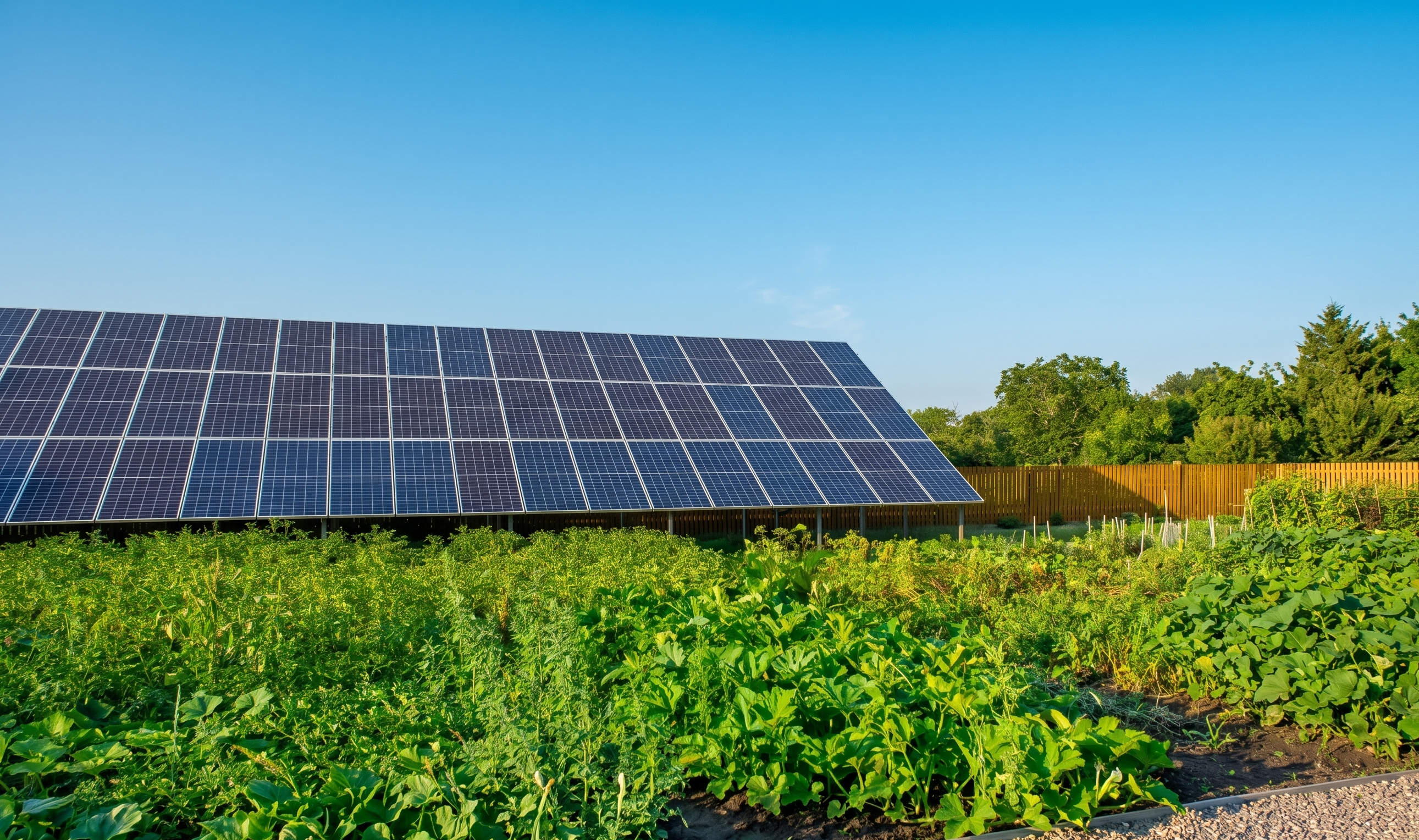
Investment in green energy has tripled. Agrivoltaics—a new trend that combines farmland and solar panels.
A year ago, only 6% of agricultural companies were investing in renewable energy. Now, that figure stands at 20%. That’s a threefold increase in just one year. The agricultural sector has outpaced all other industries in the transition to green energy—and this isn’t about the environment, but about business survival.
According to the results of a study on the energy transformation of businesses for 2025 conducted by SUNSAY, the number of companies already investing in alternative energy has more than tripled—from 6% to 20.2%. In addition, 40.5% plan to invest in the near future, and another 35.8% are actively considering such an opportunity. Agribusiness is showing the greatest growth in alternative energy.
Until 2022, the agricultural sector had been slow to adopt solar panels and biogas—mainly due to long payback periods and the lack of an urgent need. Widespread power outages changed everything.
For livestock farms, where a stoppage of ventilation or milking equipment for even a few hours means direct losses, on-site power generation has become a matter of survival, not just cost savings. For grain farms, it ensures the operation of grain dryers and elevators during peak harvest periods.
The Ukraine Decarbonization Fund has already financed 36 projects across six regions—agricultural enterprises can apply for preferential loans to install solar power plants directly on their own land.
Agrovoltaics is an innovative combination of solar energy and agriculture on a single plot of land. What makes this approach unique is that solar panels do not take up any additional space—vegetables, berries, and greens can grow beneath them, or livestock can graze there.
For farmers with limited land, agrivoltaics solves two problems at once: generating their own electricity and preserving farmland. The first pilot projects in Ukraine are already showing that, under conditions of sufficient moisture, the shade from the panels actually increases the yield of certain crops by reducing overheating.
The sector is leading the rest of the economy—and this trend will only accelerate as hostilities resume near energy infrastructure.